Bridgerton, LOTR, Mockingbird, and You
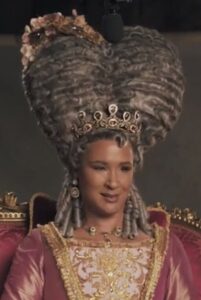
About halfway through this season of Bridgerton, it began to collide with American ICE agents in combat gear, warships near Iran, and the daily jaw-drop with the White House. I went through the brocade-candied Bridgerton door for beauty and escape. Instead, I’ve arrived to a story about power.
How about you? Think about the doorways or invitations usually drawing you into stories. There’s probably something you’re wanting to experience, learn, or feel. Against the social and political landscape right now, are any stories also taking you to how we experience power?
Maybe all great stories do this. We go to Lord of the Rings for a grand, epic adventure. On every level, this story is actually about power—of sovereignty, fear of losing agency, how different cultures and races hold and express it. And of course, the magical, devastating effects of that Ring. Take To Kill a Mockingbird—we go because we hear it’s a good one about southern culture and justice. Sounds like the perfect set-up to explore power dynamics.
Here’s the beauty of it all. We’re lured in for some perfectly good reason. We end up getting lessons about living in the world with others that apparently we keep needing. Then, we go away having fallen in love with some unexpected beauty, sweetness, or grace. The gentle hobbits who love being home. The sacrifices of the fierce Lady of Rohan and the elf Arwen who chooses mortality for love. We fall in love with Scout and Dill for being precocious children. Every single time I read that little line, “Hey, Boo,” I tear up.
We fall in love with a genuine, full-hearted power that might be a little quieter than the larger promise of the story.
The brilliance of Bridgerton is a trick from science fiction—change the rules of reality so we can explore some universal themes in fresh ways. White, Black, and Asian women wield the most power here, so the story—pause for the pun—skirts over dealing with patriarchy or white hegemony.
While status and privilege still matter, Bridgerton advances other qualities of power—observation and knowledge. Lady Whistedown publishes her observations and eavesdropping to stir the social pot, making and breaking reputations. She is often reminded of her power in devastating ways, and her attempts to change course are uneven. As counterpoints, the senior Ladies Danbury and Bridgerton have mastered the art of acquiring information, remembering backstories, and moving chess pieces accordingly—dropped hints, sly questioning, strategic introductions. All three women know before you do, that’s power.
The men are different. When they attempt a noble thought or action, it’s usually prompted by a woman or shame—Anthony choosing Kate, Colin realizing Penelope is the brave one and he’s been an ass, Benedict realizing he could be more respectful towards women. An elder caretaker reminds Benedict that as lord, he has the power and responsibility in his relationships with servants, which he struggles to implement. While the men hold the overt power of privilege, they generally lack useful knowledge. Privilege without knowledge is dangerous. The Queen is impatient about this, so she pursues gossip.
We still fall in love with something unexpected. For me, it’s their vulnerability and grit in those moments of revelation, of knowledge landing or being extended. When someone finally says, “I’ve always loved you,” or “I’ve been such a fool.” When they are surprising and kind—funding an elaborate ball that brings reconciliation, helping a sister, admitting a jealousy. We are reminded how the most powerful power can be a gesture, a surrender, a moment of grace. It reminds me of Sam–there’s no question that he will accompany Frodo on the dangerous journey. Of Atticus dropping his glasses to take a fearsome shot. Of Elrond’s plea to Aragorn—accept your responsibility.
On film all these stories have grand spectacle, and spectacle is hollow without heart. It can actually have the opposite effect—take the overwhelm and emptiness of military rallies. The news cycle continually confronts us with these spectacles of power. We get caught up in the urgency of a moment. And it might feel empty—we actually feel…powerless. Is it because we don’t have enough of that knowledge to really understand an issue? Or because we’re missing a piece of the heart, an understanding, some shared reality? This is why we feel a spark of hope and admiration when we hear about the singing resistance, neighborhoods and churches organizing help for people in need, a line of monks walking for peace.
Because a good story instructs, inspires, and touches the heart, it can also mend us. There lies a story’s real power. And there lies our opportunity. Maybe, as much as always, we need stories now. Which means we need to notice them. When something instructive, beautiful, or inspiring happens, notice it. Then share it. However that works for you—a link in a text, a post, in person at the grocery store. Restack, repost, reply. “Hey, thanks for sharing that story. Here’s what I liked about it—.” Be a story citizen. Generate a story butterfly effect. Instead of warships and magical rings, we have our creativity, voices, and networks. Those change the world too, maybe even more.